

From the gothic architecture of a small-town parish, to the grandeur of the Stratford theatre, to 90s Lagos, to the 70s in Brazil and New York City, cinema took us around the world and back again in 365 days. As award season wraps up this weekend, it’s time to look back at 2025 and reflect on some of the best films: the ones that reminded us to keep our heart open. That we can’t do it alone. And there’s always time for a few small beers.
10. Wake Up Dead Man (dir. Rian Johnson)
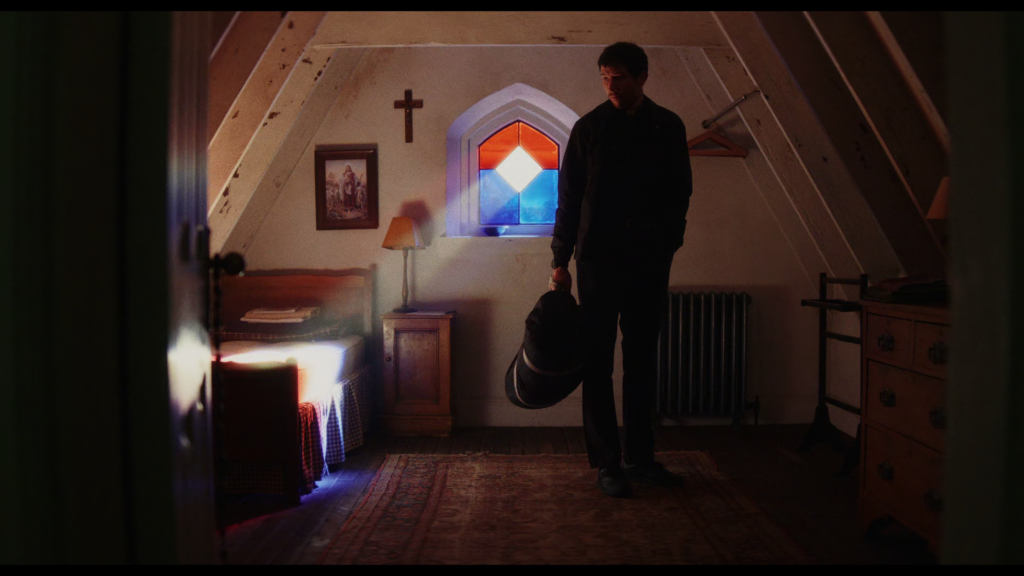
Rian Johnson’s latest instalment in his Knives Out franchise is set in a church whose fading congregation and crossless altar seem to be a sign of the times. Its figurehead, Mons. Jefferson Wicks (Josh Brolin) had cultivated a small but dedicated following through his impassioned tirades and authoritative preaching. But when newcomer Father Judd Duplenticy shows up expecting to lead with the love of Christ, things quickly spiral out of hand. When Wicks is found dead, it’s up to star detective Benoit Blanc to find out who among the parishioners is to blame.
I was immediately swept up in the film’s gothic approach to power and faith, with an atmosphere that finds Johnson pushing his directorial instincts to new heights. His screenplay takes its time masterfully setting the scene and gives pause for some moments of grace that seem so profound and strange in a franchise film with this kind of budget. I was pleasantly surprised several times.
In it’s dense thematic exploration, it’s more than just a paperback-inspired murder mystery and, yet, you still get everything you’ve come to know and love from the Knives Out series. Everyone involved just seems to be having an absolute blast, most of all Daniel Craig who just relishes every single morsel he can squeeze out of Benoit Blanc this time around.
But Josh O’Conner and the character Johnson supplied him with provide some of the best on-screen representation I’ve seen of the true heart of Christianity – one that is so often lost in the relentless struggle for power and self-preservation the Church often finds itself in. Rian Johnson put in work for this when, honestly, he could’ve just done a surface- level religious takedown movie that probably would’ve played for most just as well. But this was a beautiful treatise on having faith and, more importantly, giving grace even when it comes at your own cost.
What I ultimately love about Wake Up Dead Man is what it has to saw about power: how we wield it and how, as a counterbalance, Christ did. So often we think of progress in terms of dominance – how to undermine systems of authority or disrupt evil forcefully. Yet, the model of God incarnate was not a fist raised but a willing sacrifice to save the very same people hoisting him up. But of course the end of that isn’t death, it’s renewed life! What looks like life is death and vice versa. Now more than ever, it’s crucial to get this right.
9. The Mastermind (dir. Kelly Reichardt)
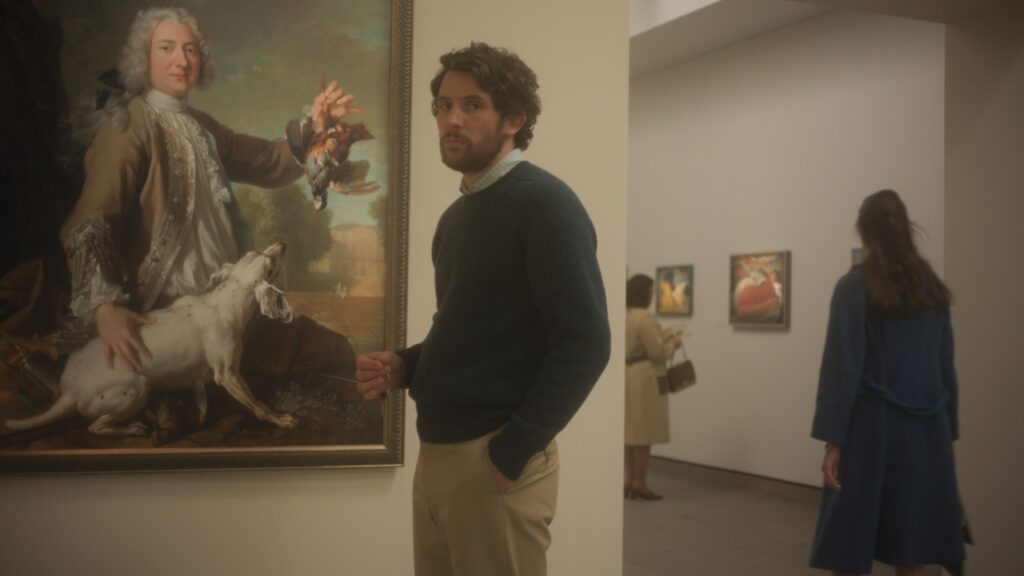
Kelly Reichardt’s latest follows in a similar vein to her previous work: a quiet story of a complex character making their way through America and the trappings of its social climate. This time, it’s a small town art thief who’s on the run after a robbery gone wrong. As in Wake Up Dead Man, Josh O’Connor once more strikes the pitch perfect tonal balance required to pull off such an internal performance.
The thing I love about Reichardt is her way of un-glamorizing stories long abandoned to spectacle: the struggling artist, the western, the hostage crisis – and now the museum heist and the fugitive on the run. In wallowing in the everydayness, she exposes the truth: life is often mundane – even and especially when the so-called extraordinary enters the picture – and that’s not to be avoided but embraced. Her primary critique of the American male archetype seems to be their fascination with always needing something more, often to the detriment of the people they claim to care most about.
And even larger still in her films are the looming spectres of the system in which they live. Here, there always seems to be some TV or radio in the background reiterating facts about wars and protests. The ending specifically is quite an ironic twist of fate – a challenge towards what we actually enforce societally vs. what we claim to care about. It’s a subtle film but one that, much like an image in a gallery, is rewarding upon close inspection.
8. Nouvelle Vague (dir. Richard Linklater)
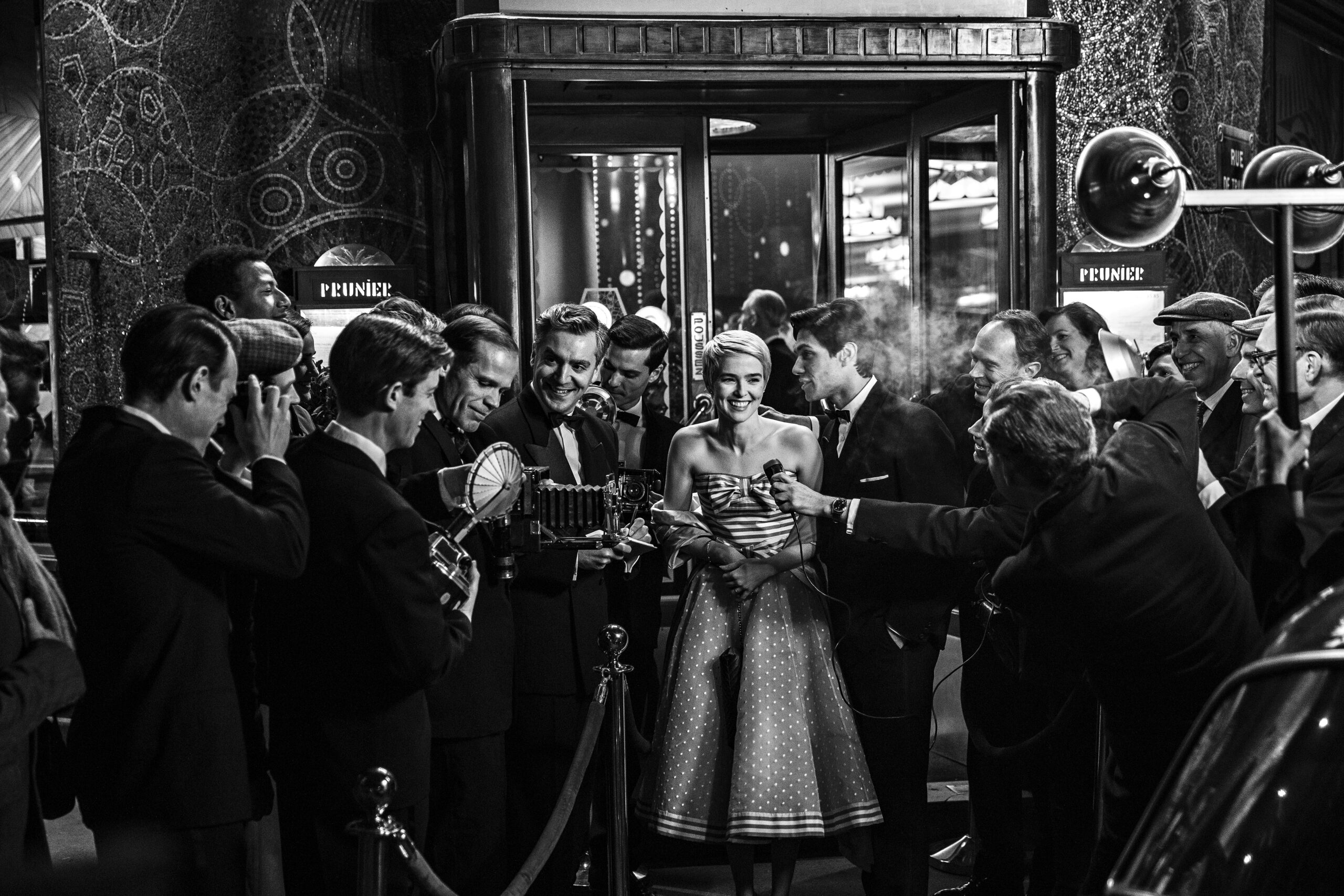
Richard Linklater has long perfected the “hangout” movie. This year alone, he’s turned out two: the first being Blue Moon starring Ethan Hawke in an Oscar-nominated role as lyricist Lorenz Hart as he grapples with the success of his former collaborator and his own fall from grace. The second is Nouvelle Vague, which traces the chaotic filming of Breathless alongside the legendary Jean-Luc Godard (played by a committed Guillaume Marbeck) and his apprehensive cast and crew.
As the hangout movie mostly features people talking in rooms, it’s no wonder that Linklater’s screenplays are consistently sharp and witty. In Nouvelle Vague though, it was consistently Linklater’s direction I found to be the most thrilling element. Embracing the look and feel of the French New Wave gave him the freedom to have some fun in the director’s chair. It’s delightful, charming, funny, and features career best work from Zoey Deutch as Jean Seberg.
On the other side of the influence of the French New Wave, it’s obvious that everything eventually works out for Godard in cinematic history. For me, it was the joy of watching his process and listening in on Linklater’s own observations of the creative process as they seeped in. I mean, what line has ever been more relatable than “seeing movies delivers me from the terror of writing”? I admit, this one is specifically tailored to work for me but it’s an outing I’d highly recommend for anyone who loves the silver screen.
7. Peter Hujar’s Day (dir. Ira Sachs)
I surprised myself in 2023 by falling head over heels for Ira Sachs’ Passages, a love triangle affair that makes Challengers look like a Disney movie by comparison. Sachs has an astute awareness of what makes people tick and incredible control over the atmosphere of the films he makes. Peter Hujar’s Day is no exception.
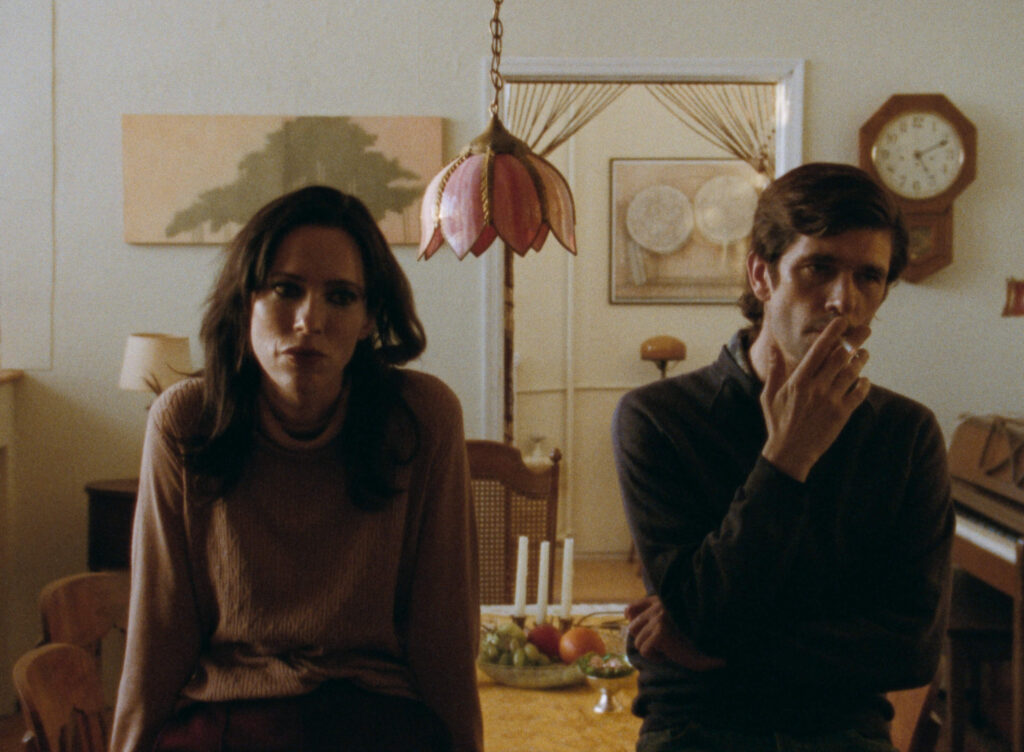
At 76 minutes and focusing on a recount of… you guessed it… a day in the life of celebrity photographer Peter Hujar (Bens Whishaw) for a magazine article, it sounds rather slight. And yet, Sachs once again finds a way to mine the mundane for grandiose.
In one of Whishaw’s many monologues, the seemingly average experiences of his day-to-day life (albeit chock full of a who’s who of 70s NYC), take on an existential quality. They’re underscored by these strange sequences of Whishaw and Rebecca Hall, as writer and faithful witness Linda Rosenkranz, breaking the fourth wall accompanied by a menacing score. The film itself is based on a real conversation that was discovered in an archive prior to filming. In this way, Sachs blends the structured performance of reality with Hujar’s real observations about his daily life, as they slowly spiral into deeper and darker territory. One need only take the stance of Rosenkranz and observe to capture the full picture.
6. My Father’s Shadow (dir. Akinola Davis Jr.)
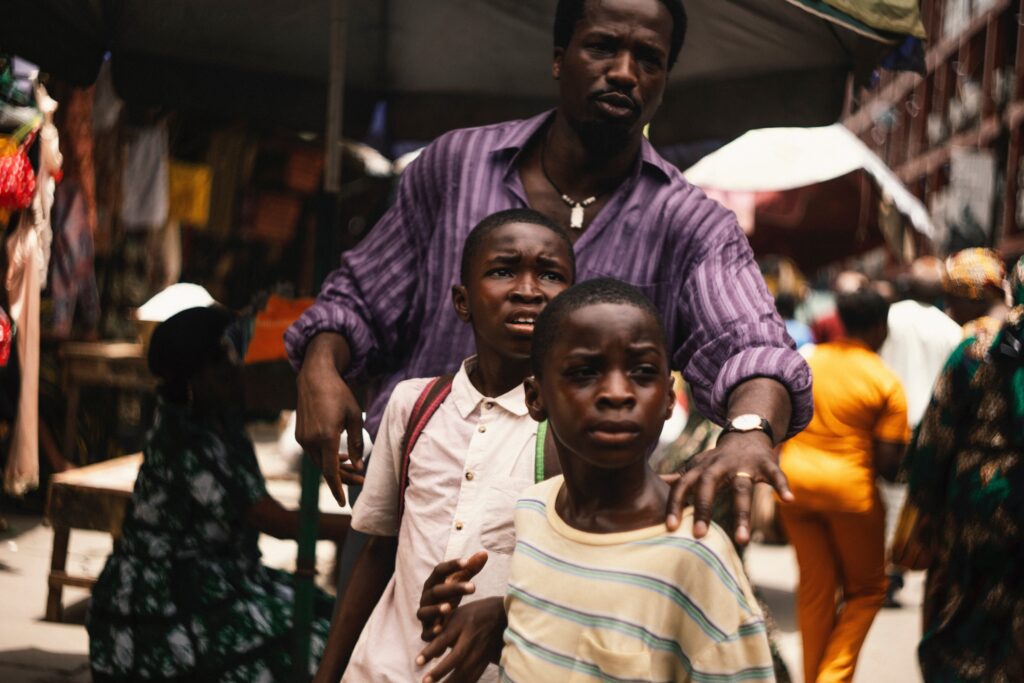
My Father’s Shadow, set in Lagos, is based on the memory of director Akinola Davis Jr. as his father returns home after a long absence. In what is one of my favourite movie moments of the year, Davis Jr. imbues his father with a mythical status that children often attribute to their parents. The moment he arrives seemingly disrupts the nature of the area around him as the leaves shudder and a strong wind cascades through their family home. It’s so incredibly visceral and the ultimate red carpet for Sope Dirisu in a multi-layered performance as the titular father.
The story at first seems quite mundane – which is not something I’m typically deterred by – but slowly morphs into something darker. Davis Jr. finds a way to trace the political corruption of Lagos in the 90s through the complexities of his own father; he’s a man who can be affectionate in one moment and equally harsh the next. There’s a fairytale-esque quality to their journey as the true inevitability of the story begins to reveal itself. In doing so, Davis Jr. follows in the footsteps of Charlotte Wells’ 2022 masterpiece Aftersun, combining the fractured and fleeting nature of memory with next-level sensory filmmaking.
5. Hamnet (dir. Chloe Zhao)
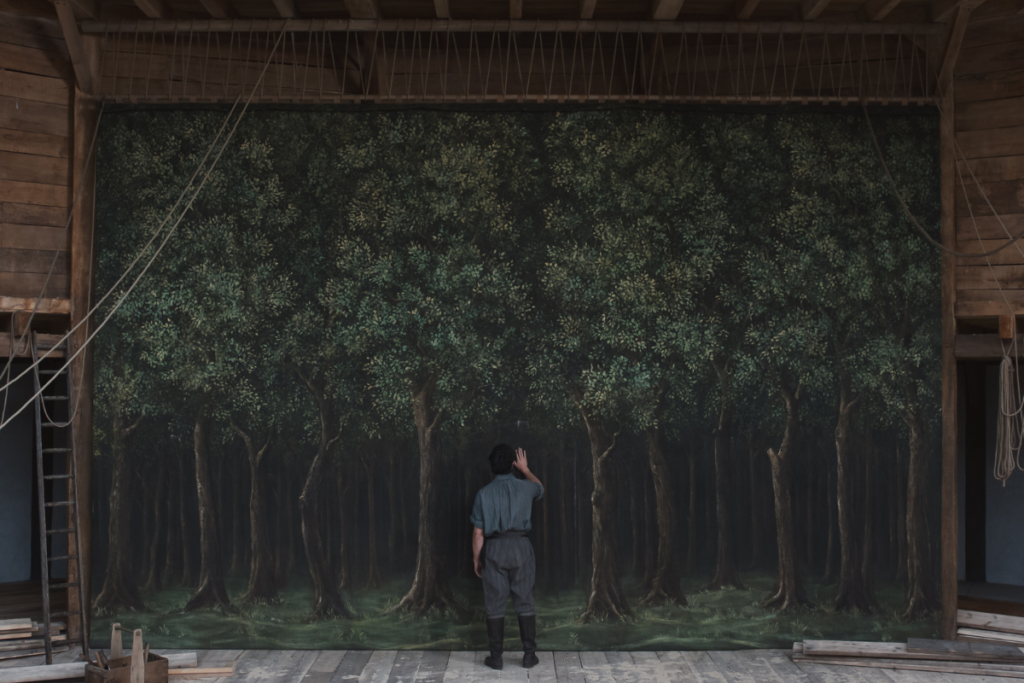
Controversially, I was slightly underwhelmed by the original novel the film is based on. Written by Maggie O’Farrell, it follows William Shakespeare and his wife Agnes as they contend with personal loss and the growing rift created by Shakespeare’s artistic ambition. I went into this adaption of Hamnet hearing raves but keeping my expectations low. After all, everyone seemed to love the book.
But man was I ever happy to be proven wrong: this is without a doubt my favourite in Chloe Zhao’s filmography. The way she blends imagery from the book into some of these scenes was incredibly thoughtful and lyrical. This adaptation, done in collaboration with O’Farrell, corrected many of my qualms with the novel. Here the events are sequential and laid bare. Similarly, Zhao often chooses to frame her actors in wide static shots that allow the scene the breath and the performers themselves the chance to revel in every little moment and interaction.
Much has been said about Jessie Buckley, who will no doubt snatch the Best Actress Oscar on Sunday – and it should. Her physical embodiment of grief feels primal. It’s haunting and soul-baring in a way few actors manage to convey. Mescal is quietly devastating as her counterpart, with a family ensemble that rises to every task and turns in some of the best child performances of the last several years.
For its lofty themes, there’s something about Hamnet that still manages to feel beautifully small: one family, one story, one house. Its finale zeroes in on the power of art to make us feel seen in a sea of faces, then pulls back to reveal the commonality of that experience. One of the joys of art is common ground we find in the midst of the complexity of life – and with it the realization that we’re never as alone as we may feel.
4. The Secret Agent (dir. Kleber Mendonça Filho)
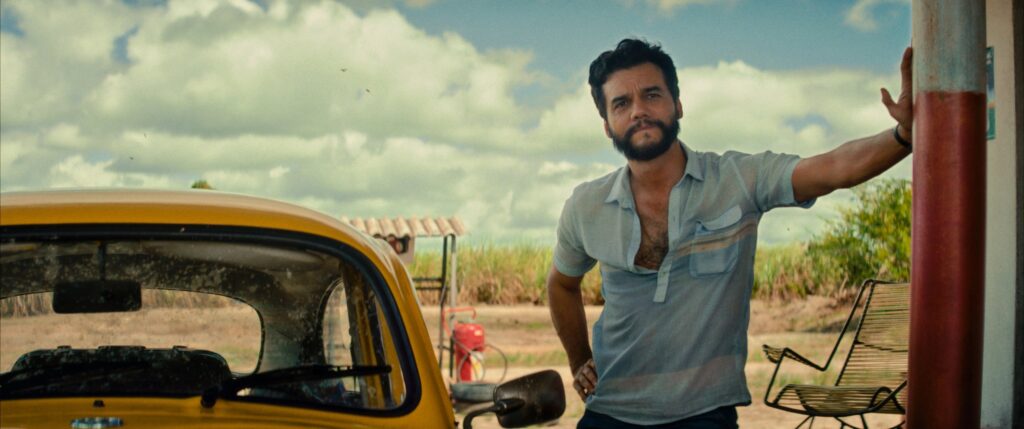
If Hamnet is an exercise in restraint, then The Secret Agent is a portrait of pure maximalism. Set primarily in Brazil’s tense political climate of the 1970s, it follows former researcher Marcelo (Wagner Moura) as he attempts to reconnect with his family while fleeing oppressive governmental foes.
Don’t let its title deceive you, The Secret Agent is not the espionage thriller you’re expecting. The title itself actually refers to a film the characters watch in a local theatre, marking the first of several redirects that come to characterize the malicious nature of the government’s control. Routine politically sanctioned killings become folk tales in newspaper comic strips, corpses merely inconveniences with mysterious origins.
In seeing this at TIFF, I had the privilege of hearing director Kleber Mendonça Filho connect this with his 2023 documentary Pictures of Ghosts that traces the closing of several theatres around Recife, the place where he grew up and the setting for The Secret Agent. His thesis throughout that film was that the loss of theatres was connected with the erasure of history. He has a similar angle in The Secret Agent albeit on a much larger and more complex scale.
Even with that link, it took two viewings for the film to fully click for me and therefore comes with a word of warning for anyone attempting to emerge from a first viewing assessing the film in its entirety. It is sprawling – but it’s the kind of work that deserves attention in understanding just how subtly history can be distorted for nefarious ends. It also happens to be one of the most gorgeous films of the year, making multiple viewings riveting and constantly awe-inspiring.
3. No Other Choice (dir. Park Chan-wook)
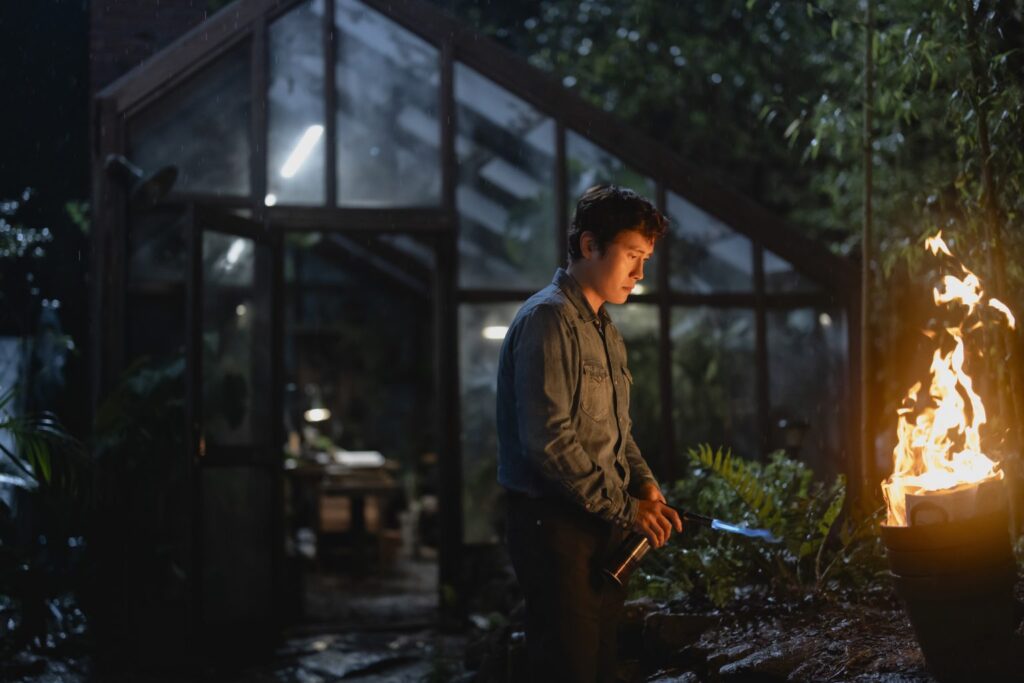
Park Chan-wook is back with his latest mesmerizing, gritty revenge flick, this time tackling the modern employment landscape. It follows Yoo Man-su after he loses his job at a paper manufacturing company, putting his family’s high-end lifestyle at risk. As fewer and fewer options turn up, Yoo’s desperation forces him to considering eliminating the local competition for similar jobs – no matter the cost.
Beyond just being a complete director’s showcase (as his films always are), I love how Park shows the progressive twisting of Yoo’s psyche and the lengths we’re often willing to go to to protect the life we think we deserve. It’s a great cautionary tale while also being an unpredictable blast. Park is a master of tones and even when Yoo is first contemplating violence, the way the encounter resolves is unexpected and darkly humorous.
But the ending in particular packs a punch that will immediately knock the wind out of you, dwelling in the futility of competition when work is slowly being sourced out to machines anyway. The dehumanization Yoo has to undertake to try and get what he wants extends largely to our society’s appraisal of efficiency as being more valuable than humanity. It’s maybe Park’s most insightful critique yet – wrapped in an endlessly entertaining package.
2. Sentimental Value (dir. Joachim Trier)
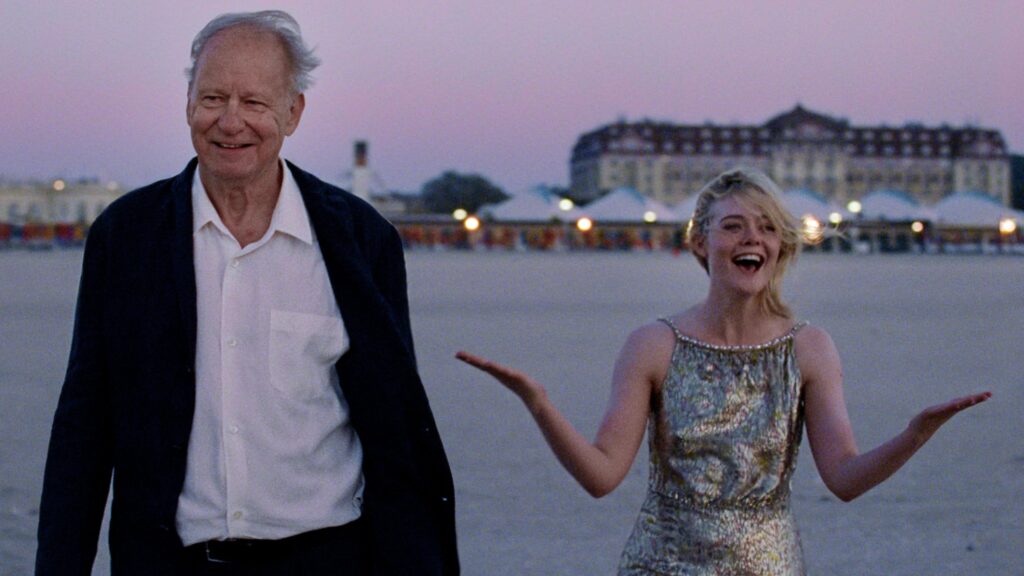
Fresh on the heels of his 2021 breakout The Worst Person in the World (which also happened to be one of my favourite movies of that year), Joachim Trier is back, once more teaming up with Renate Reinsve as troubled actress Nora Borg. Nora and her sister Agnes were raised together and yet find very different ways to cope with the absence of their father – famous director Gustav Borg (Stellan Skarsgård). When the death of their mother ushers Gustav back into their lives with a new film he’s looking to shoot with them, they must reckon with the past hurts and generational trauma that they’ve long tried to suppress.
As a rather ingenious motif, Trier focuses much of the action on the family’s house. It’s been in the family for several generations and, as such, has witnessed various hurts, triumphs, scandals, and darkness. In the prologue, it’s revealed that the house was built incorrectly and has a large crack that snakes through the interior up to Nora’s childhood bedroom.
So much of Sentimental Value shies away from what you’d normally expect from filmic storytelling: its resolution is imperfect and subtle, its sequences are punctuated by cuts to black that allow for moments of reprieve in the face of utter heartbreak, its performances are quiet and understated (that is, until Hollywood starlet Rachel Kemp shows up played by the incredible Elle Fanning). There’s no moment of catharsis for these characters: in a way it takes playful shots at the Hollywood machine and its glorified spectacle. What we often want is something clean but life is usually the opposite.
All of it builds to one small scene of the two daughters sitting down to read Gustav’s screenplay. Somehow, this small moment of revelation ties all the film’s seemingly disparate musings on celebrity, generational trauma, grief, and storytelling together. Each member of the ensemble is excellent but it was Inga Ibsdotter Lilleaas as Agnes whose weepy, empathetic eyes become the very heart of the film – especially in this scene. It’s a heavy film but one that sees each of its characters with an impassioned care even at their worst and longs desperately for them to find the healing they need.
1. One Battle After Another (dir. Paul Thomas Anderson)
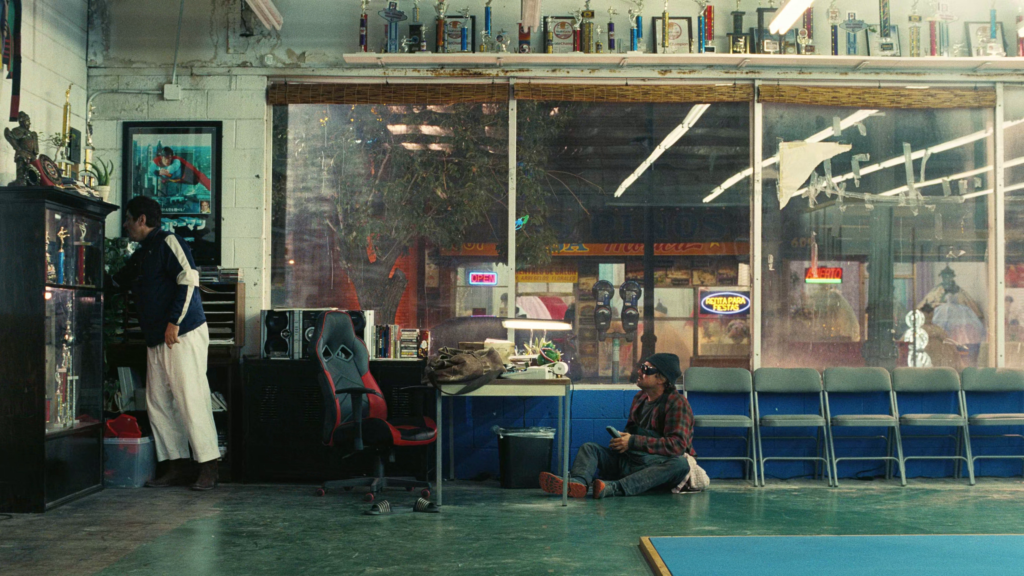
Two years in a row, the film that has topped my list has been the Best Picture frontrunner. And while I swear it’s not on purpose, it’s hard not to be ecstatic. One Battle After Another is Paul Thomas Anderson’s latest: an epic saga about a scattered crew of revolutionaries known as The French 75 who must band together once more as their foe, military general Colonel Lockjaw (a no holds barred Sean Penn), returns to take one of their children: Willa Ferguson (Chase Infiniti).
This is a stellar ensemble (Leonardo DiCaprio! Teyana Taylor! Regina Hall! Benicio del Toro!) who fill every moment with pure energy and passion. But at the helm is PTA delivering career best filmmaking. There is a sequence shot on a road of hills that is so revelatory it’s shocking no one has thought to film in that way before.
After a mesmerizing opening montage, the first breath you get in the movie is the close up of Willa’s face and sustained silence. Then her mother’s voicover: “Sixteen years later, and the world has changed very little.”
There’s very few filmmakers as good at acknowledging tension as Paul Thomas Anderson: his characters are human and flawed. Even his villains have a sense of humanity to them – notice Colonel Lockjaw’s distant look of pain as he walks out of the “Christmas Adventurers” meeting after denying his one true love. One Battle lives in this limbo – desiring and working for the world to be made right while acknowledging that the answers always seem to lie beyond our own capabilities.
And it’s not just the French 75 who are doing so – part of what makes Penn’s Colonel Lockjaw so compelling is how he acts as a foil to the protagonists. He also has a vision for what a “right” world looks like, one that puts him on a collision course with Willa and her father, Bob. It’s why both him and Bob echo the sentiments of the title – “if it’s not one thing it’s another”, “there’s always some little detail”. That’s one of my favourite aspects of the film: everyone is fighting one battle after another but it truly matters what you’re fighting for. And of course, Willa’s Sensei’s peace in the face of almost certain danger feels hopeful – when you’re not worried about self-preservation in your service, there’s nothing to fear. “Ocean waves.”
Honourable Mentions:
Sorry, Baby (dir. Eva Victor)
KPop Demon Hunters (dir. Chris Appelhans, Maggie Kang)
The Phoenician Scheme (dir. Wes Anderson)
It Was Just An Accident (dir. Jafar Panahi)
—
Thanks for reading!